B2B SaaS Product Design: Shorten the Journey to First Value
TL;DR: B2B SaaS product design shapes the workflows and interfaces of subscription software around organisational roles, tasks and ongoing business value. Define first value for each role. A shorter onboarding flow is not automatically better if users lose the information or setup needed to succeed.

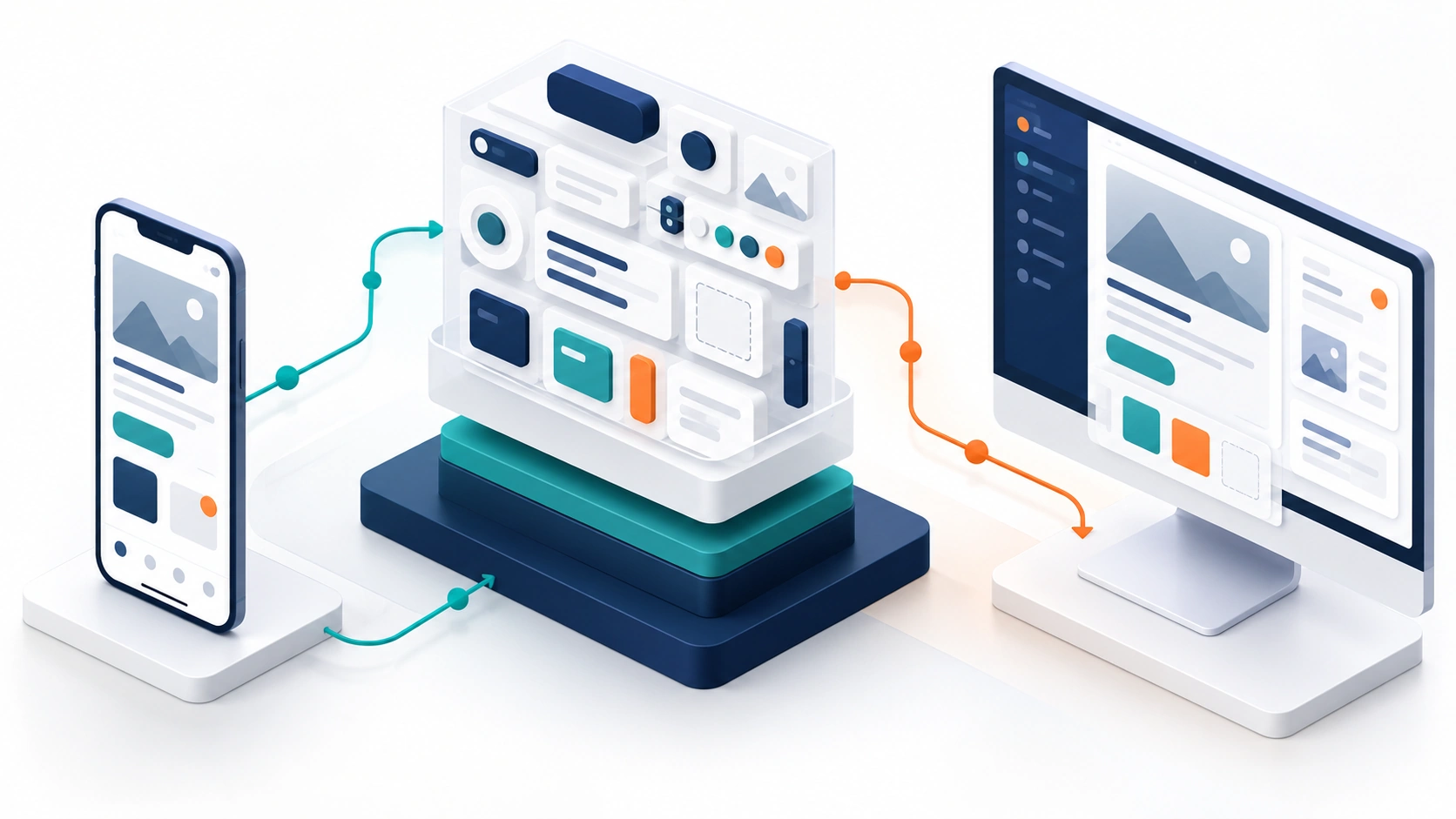
Original AI-generated editorial illustration; it depicts a concept rather than a client deployment or product screenshot.
Introduction
A dashboard is not valuable simply because it contains data. New users need to reach a task that matters to their role, often after configuration, invitations or imported information. Product design should make that path clear and reveal the dependencies that prevent the first useful outcome. Here is how to evaluate B2B SaaS product design against that business need.
What Is B2B SaaS product design?
B2B SaaS product design shapes the workflows and interfaces of subscription software around organisational roles, tasks and ongoing business value.
The buyer, administrator and daily user may be different people. Setup dependencies can delay the first useful task. Feature discovery matters less than completing important work.
A shorter onboarding flow is not automatically better if users lose the information or setup needed to succeed. The scope should make this distinction clear before the team commits to a solution.
Technical context: The Service Manual recommends understanding users, their context and the problem they need to solve. GOV.UK: User research in discovery
Why B2B SaaS product design Matters
- The buyer, administrator and daily user may be different people.
- Setup dependencies can delay the first useful task.
- Feature discovery matters less than completing important work.
How to Evaluate and Implement B2B SaaS product design
Define first value by role
Identify the first outcome each role needs, such as approving a request or creating a usable report. Separate account setup from actual value. A product tour can explain controls without helping a user finish work. Map prerequisite data, permissions and colleagues. The design should show what is ready, what is missing and who can resolve the missing dependency.
Design realistic initial states
Plan empty accounts, partial imports, failed connections and incomplete invitations. Offer examples or sample data only when users can clearly distinguish them from real records. Avoid dead-end dashboards requiring information the user cannot supply. Make setup progress meaningful rather than simply counting completed fields. The path should lead toward an observable business outcome rather than a fully decorated account.
Measure the completed workflow
Instrument the first useful action and repeat use by role. Review support enquiries and abandonment around prerequisites. Test changes with representative users and acknowledge limited samples. Keep enterprise requirements such as access, approvals and auditability in the core journey. Reducing clicks is useful only if it also preserves clarity and the controls the customer's business needs.
Compare the available approaches
| Approach | Suitable starting point | Main limitation or responsibility |
|---|---|---|
| Feature tour | Introduce controls | May not deliver useful work |
| Task-based onboarding | Guide a first outcome | Needs role and data awareness |
| Assisted setup | Resolve complex configuration | Requires delivery ownership |
A practical example
A hypothetical reporting product initially lands new users on an empty dashboard. Research shows that an administrator must connect a data source before analysts can work. The revised design separates administrator setup from analyst readiness and explains connection failures. The team measures the first valid report and subsequent use rather than completion of a welcome tour.
An acceptance test worth running
Create a new account with a daily user who cannot configure integrations. Verify that the product explains the missing prerequisite and identifies the administrator who can resolve it. Introduce a failed import and retry. Measure the first valid business task after setup, not just whether the welcome tour ends or whether a dashboard displays sample charts.
What to measure
Track time to first valid task, prerequisite failures, role-level activation and meaningful repeat use.
Use a representative baseline and record the conditions of the comparison. Agree who reviews failures and what evidence is needed before expanding the scope. For a broader view of the related delivery work, explore Webbies services.
Practical Steps for B2B SaaS product design
- Define first value for each role.
- Map prerequisites and their owners.
- Design empty, partial and failure states.
- Measure first outcomes and repeated task use.
Prepare a useful project brief
| Decision | What to establish |
|---|---|
| Audience | B2B SaaS founders and product teams |
| First boundary to agree | Define first value for each role. |
| Evidence of useful performance | Track time to first valid task, prerequisite failures, role-level activation and meaningful repeat use. |
| Estimate dependency | Role complexity, configuration dependencies, existing workflows and research access shape design effort. |
Bring sample inputs and an example of an exception to the first discussion. Separate confirmed requirements from assumptions, and identify who can supply missing information. The brief should let a delivery team explain what it needs to investigate before making a detailed commitment.
Common Mistakes to Avoid
- Using tour completion as activation.
- Assuming every user can configure integrations.
- Hiding missing prerequisites behind an empty dashboard.
Frequently Asked Questions
What does B2B SaaS product design mean in a business project?
B2B SaaS product design shapes the workflows and interfaces of subscription software around organisational roles, tasks and ongoing business value.
How should a team begin evaluating SaaS onboarding UX?
Define first value for each role. Map prerequisites and their owners.
How do we measure whether B2B product activation is useful?
Track time to first valid task, prerequisite failures, role-level activation and meaningful repeat use.
What affects the cost or timeline of B2B SaaS product design?
Role complexity, configuration dependencies, existing workflows and research access shape design effort. A delivery estimate should follow a review of these dependencies.
What is a common misconception about B2B SaaS product design?
A shorter onboarding flow is not automatically better if users lose the information or setup needed to succeed.
Conclusion
Business software reaches value through a role-specific task, not a completed tour. Expose prerequisites and help users reach an outcome they can repeat. Review a SaaS activation journey with Webbies.
Sources and further reading
- GOV.UK: User research in discovery — primary technical reference, checked during research on 30 October 2026.
Discuss your project
Review a SaaS activation journey. Share the current workflow, intended users, existing systems and the decision you need to make; the next step can be a 20–30 minute discovery discussion.