
Field Inspection App: Capture Evidence That Operations Can Trust
TL;DR: A field inspection app collects structured observations, supporting evidence and review decisions during site or asset inspections. Map visits and required evidence. A timestamp or coordinate cannot by itself establish an inspection's accuracy or completeness.
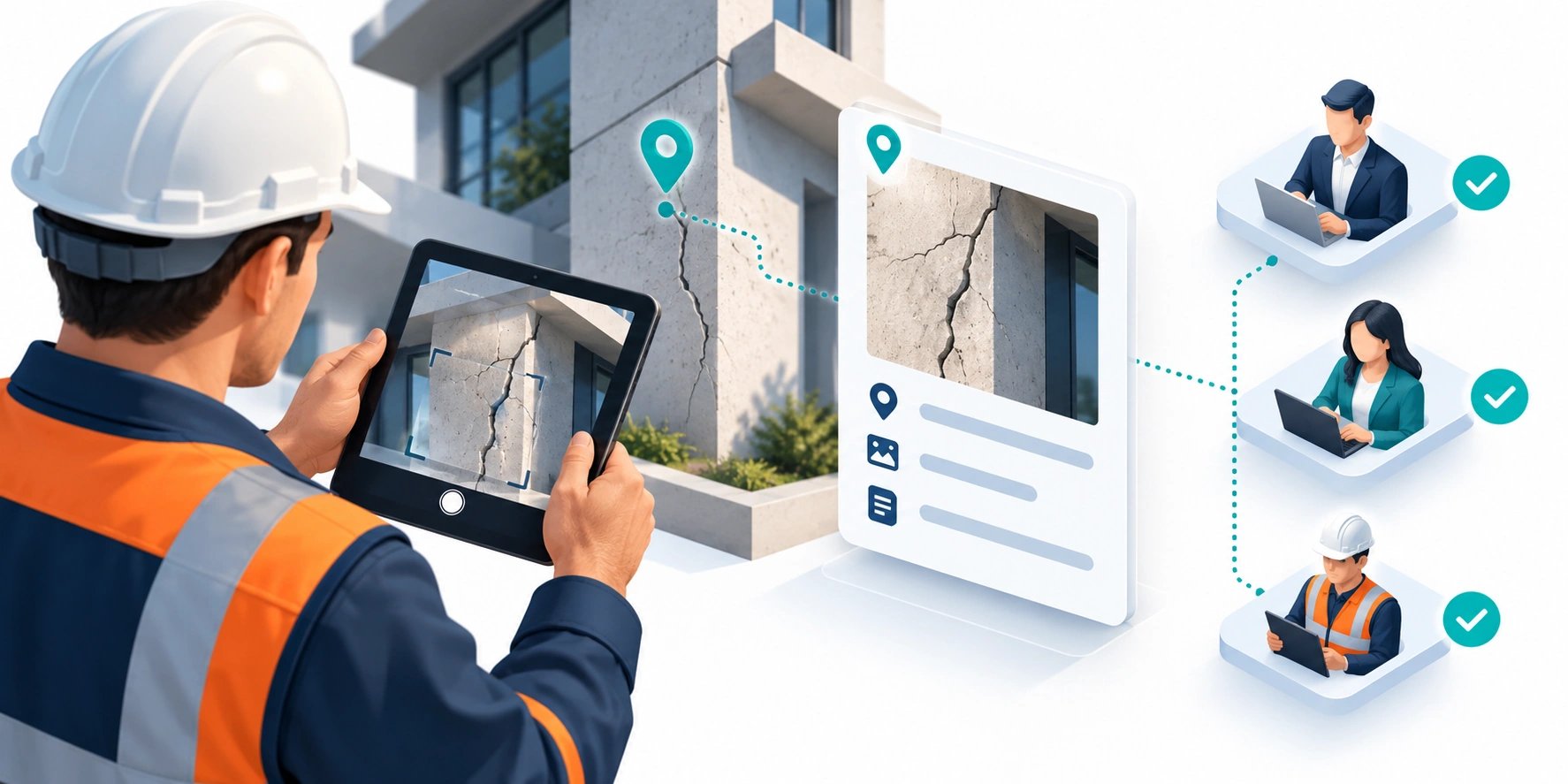
Original AI-generated editorial illustration; it depicts a concept rather than a client deployment or product screenshot.
Introduction
A photograph without an asset reference or review status is difficult to act on. Field software should help staff capture evidence once and give the next person enough context to decide. The quality of the inspection record matters more than the number of available form fields. Here is how to evaluate field inspection app against that business need.
What Is field inspection app?
A field inspection app collects structured observations, supporting evidence and review decisions during site or asset inspections.
Photo folders lose finding context. Incomplete visits create repeat work. Reviewers must distinguish observations from interpretations.
A timestamp or coordinate cannot by itself establish an inspection's accuracy or completeness. The scope should make this distinction clear before the team commits to a solution.
Technical context: Android's architecture guide treats local and network data as explicit offline-first design concerns. Android Developers: Build an offline-first app
Why field inspection app Matters
- Photo folders lose finding context.
- Incomplete visits create repeat work.
- Reviewers must distinguish observations from interpretations.
How to Evaluate and Implement field inspection app
Define the evidence record
Record asset, visit, checklist version and inspector identity. Specify evidence requirements for each finding. Keep observed facts separate from recommendations and AI suggestions. A photograph may establish visible condition without proving its cause. Design around the inspection sequence and physical constraints, including lighting, gloves and the time available at each location.
Capture under field conditions
Support drafts, local saving and resumable media uploads where required. Keep every image associated with its finding. Explain location accuracy without implying coordinates alone prove a visit. Let staff check image quality before leaving. Large attachments and interrupted uploads need practical recovery rather than a message asking users to start again.
Make review and closure accountable
Define who may amend, approve and return a record. Preserve material corrections and their reasons. Route urgent findings through the agreed operating process. AI interpretation, if introduced, must remain reviewable beside the original image. Closure should require the evidence agreed by operations rather than simply a final button tap. Software does not replace site-specific safety procedures.
Compare the available approaches
| Approach | Suitable starting point | Main limitation or responsibility |
|---|---|---|
| Paper | Familiar capture | Manual transfer |
| Generic form | Structured input | Limited evidence recovery |
| Inspection app | Linked evidence and review | Workflow and device testing |
A practical example
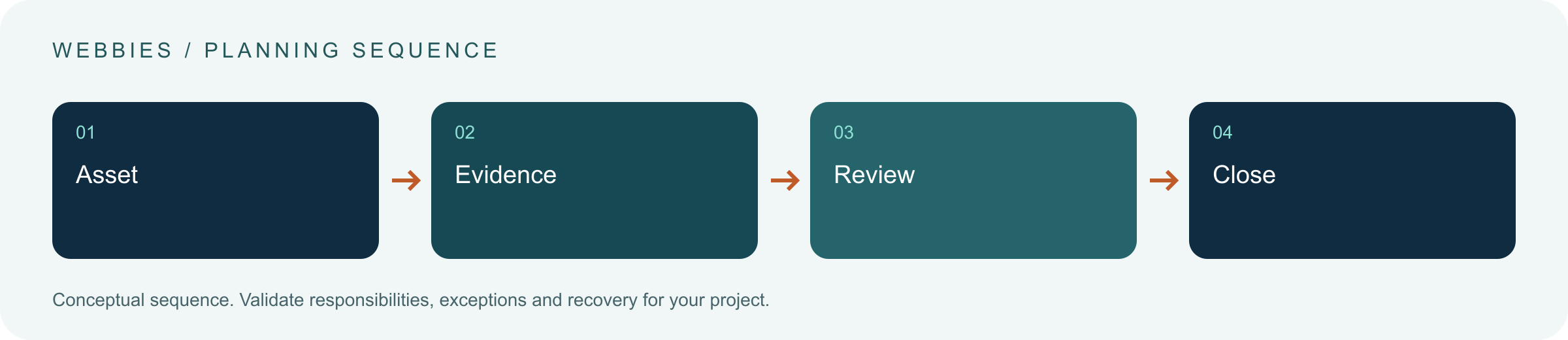
A hypothetical installation team starts with checklists, photographs and follow-up owners. Central reviewers return missing evidence to inspectors. Image interpretation is tested later. The sequence first establishes trustworthy records and usable review behaviour, which are prerequisites for any AI feature relying on those observations.
An acceptance test worth running
Start an inspection, capture several findings and interrupt a large image upload. Restart the app and confirm that the draft and photo-to-finding links survive. Have a reviewer return one finding for more evidence. The inspector should amend the relevant item without losing the rest of the visit, and the review history should preserve what changed and why.
What to measure
Track complete submissions, evidence returns, upload recovery, review time and closure quality.
Use a representative baseline and record the conditions of the comparison. Agree who reviews failures and what evidence is needed before expanding the scope. For a broader view of the related delivery work, explore Webbies services.
Practical Steps for field inspection app
- Map visits and required evidence.
- Prototype with field users.
- Test drafts, uploads and corrections.
- Agree closure criteria and ownership.
Prepare a useful project brief
| Decision | What to establish |
|---|---|
| Audience | operations leaders managing site visits |
| First boundary to agree | Map visits and required evidence. |
| Evidence of useful performance | Track complete submissions, evidence returns, upload recovery, review time and closure quality. |
| Estimate dependency | Checklist variation, attachments, offline needs and audit history determine effort. |
Bring sample inputs and an example of an exception to the first discussion. Separate confirmed requirements from assumptions, and identify who can supply missing information. The brief should let a delivery team explain what it needs to investigate before making a detailed commitment.
Common Mistakes to Avoid
- Requiring irrelevant fields everywhere.
- Presenting AI suggestions as findings.
- Losing drafts after upload failures.
Frequently Asked Questions
What does field inspection app mean in a business project?
A field inspection app collects structured observations, supporting evidence and review decisions during site or asset inspections.
How should a team begin evaluating mobile site inspection software?
Map visits and required evidence. Prototype with field users.
How do we measure whether inspection evidence workflow is useful?
Track complete submissions, evidence returns, upload recovery, review time and closure quality.
What affects the cost or timeline of field inspection app?
Checklist variation, attachments, offline needs and audit history determine effort. A delivery estimate should follow a review of these dependencies.
What is a common misconception about field inspection app?
A timestamp or coordinate cannot by itself establish an inspection's accuracy or completeness.
Conclusion
A dependable inspection workflow preserves the relationship between assets, evidence and review. Capture fewer ambiguous records before adding more analytical features. Design a field-inspection workflow with Webbies.
Sources and further reading
- Android Developers: Build an offline-first app — primary technical reference, checked during research on 30 October 2026.
Discuss your project
Design a field-inspection workflow. Share the current workflow, intended users, existing systems and the decision you need to make; the next step can be a 20–30 minute discovery discussion.