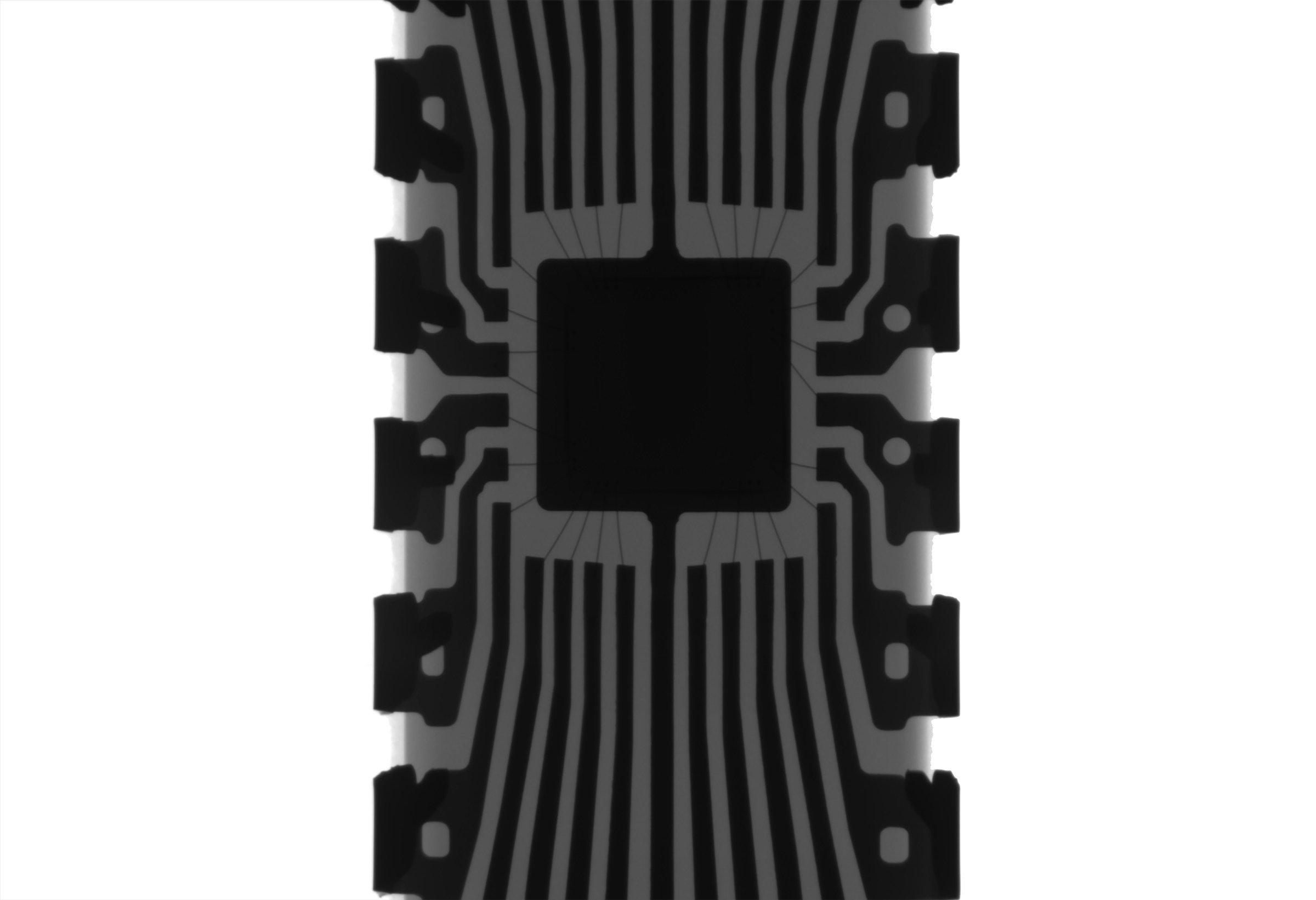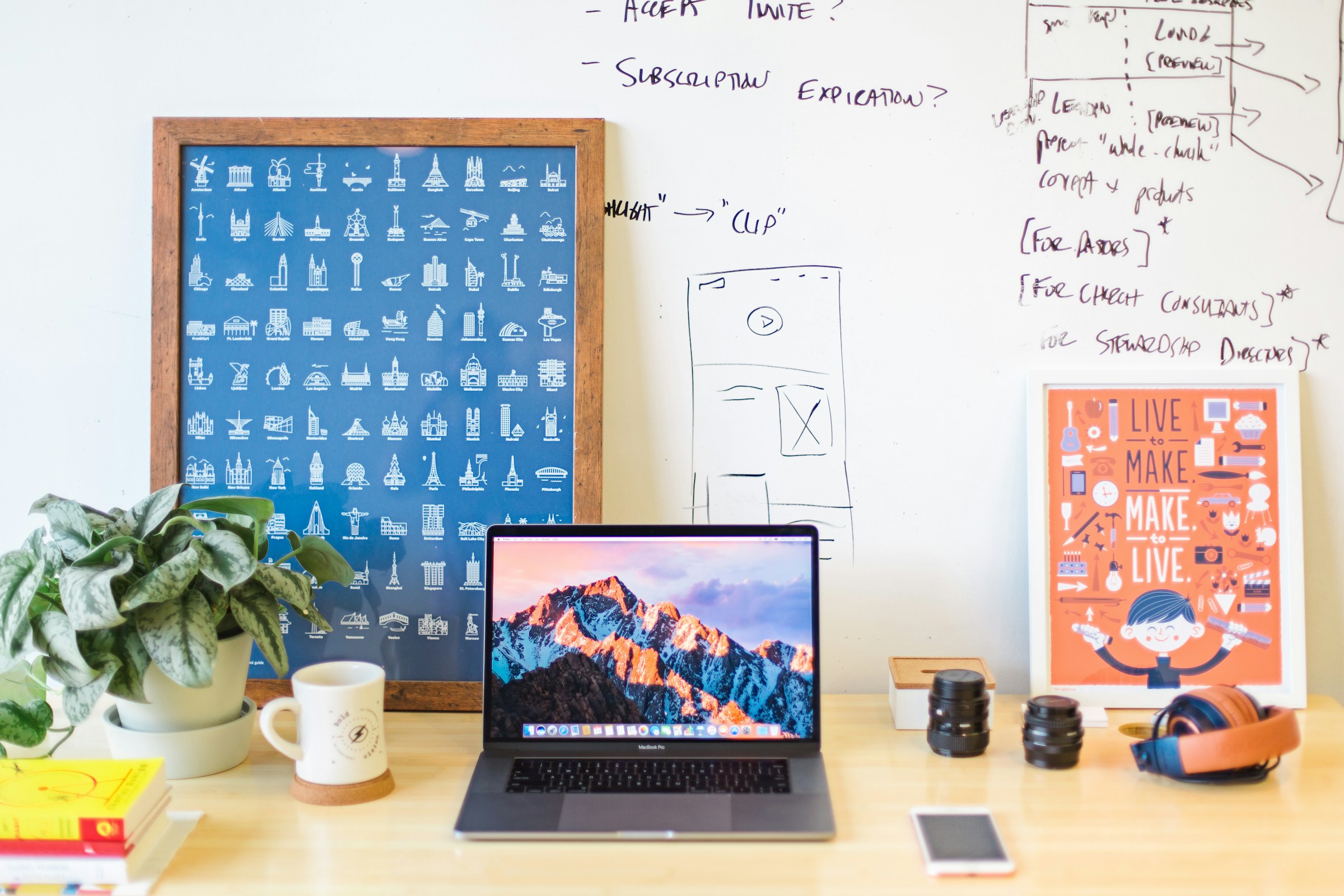
When the physical meets the possible.
Designing connected experiences means looking beyond the screen.
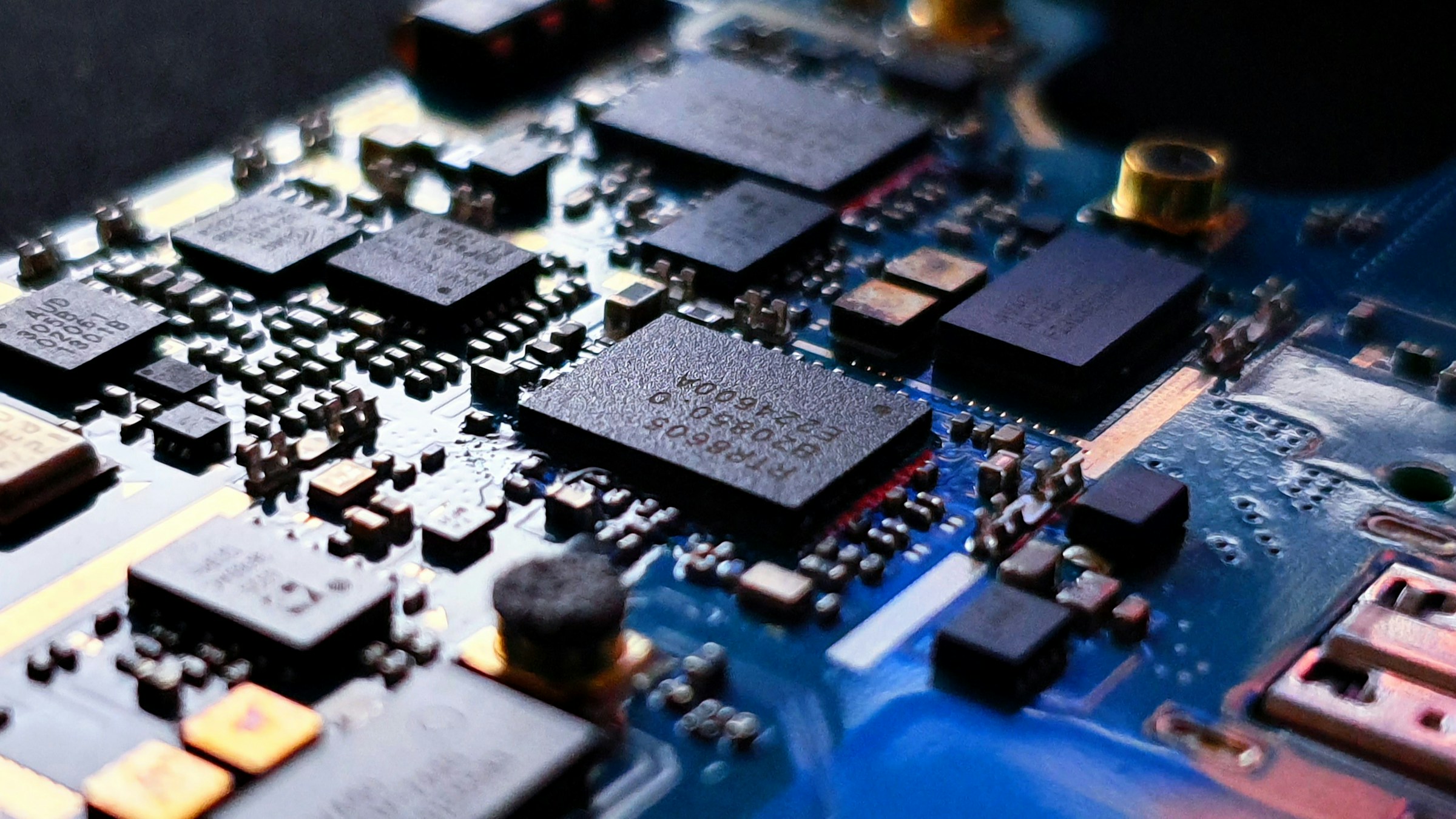
A connected product lives in two worlds. There is the thing someone can touch, and the software that helps it respond. Designing it means paying attention to the exchange between them.
Begin with the environment.
Where will the product be used? What else is happening around it? Light, movement, noise and connectivity can all affect the interaction.
Consider the people operating the system as carefully as the people watching it. Both need an experience they can understand.
Make the system legible.
An interface should communicate what the hardware is doing, when information is fresh and what needs attention. Clear states matter when software describes a physical process.
Design for interruptions and recovery. A useful system helps people understand what happened and where to go next.
Think about the whole loop.
A physical action produces information. Software interprets it and returns feedback. The timing and clarity of that loop shape how the product feels.
The best starting point is the complete experience, then the screens and devices needed to make it work.